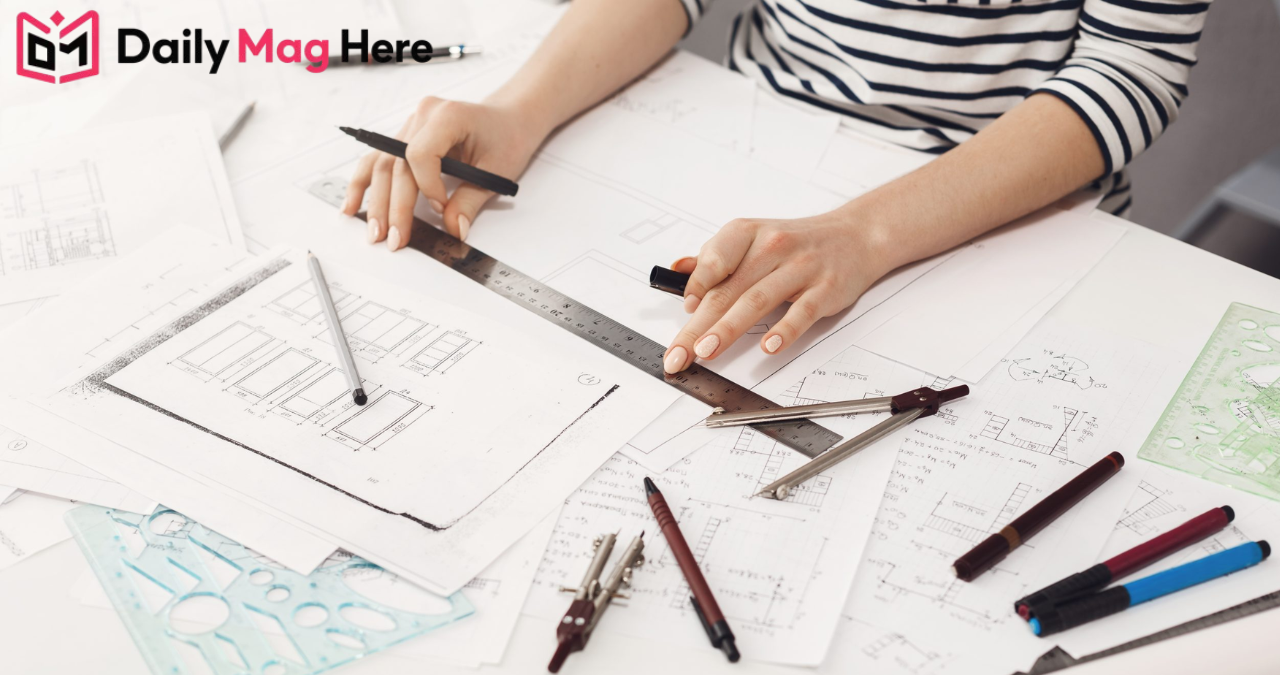

Industrial design is the creative and technical process of designing products that are functional, visually appealing, comfortable to use, and suitable for mass production. It combines art, engineering, ergonomics, technology, and business strategy to create products that improve people’s daily lives. From smartphones and furniture to medical devices, automobiles, and household appliances, industrial design influences nearly every manufactured product we interact with.
Unlike purely artistic design, industrial design is focused on solving real-world problems while ensuring products can be manufactured efficiently and economically. Industrial designers work closely with engineers, manufacturers, marketers, and business teams to transform ideas into products that meet user needs and commercial goals. The discipline balances aesthetics with functionality, ensuring that products not only look attractive but also perform reliably and provide an excellent user experience.
What Is Industrial Design?
Industrial design is the professional practice of creating products intended for large-scale manufacturing. The goal is to develop products that are practical, safe, attractive, durable, and easy to produce while meeting the expectations of consumers and businesses alike.
Industrial designers consider every aspect of a product, including its appearance, shape, size, materials, usability, ergonomics, environmental impact, manufacturing process, and overall customer experience. Their work begins long before production starts and continues through concept development, prototyping, testing, refinement, and final manufacturing.
Today, industrial design plays an essential role in almost every industry because consumers expect products that combine outstanding performance with modern aesthetics and intuitive usability.
The History of Industrial Design
Industrial design emerged during the Industrial Revolution when factories began producing goods on a much larger scale than ever before. As manufacturing techniques improved, businesses realized that consumers wanted products that were not only functional but also visually appealing and comfortable to use.
Throughout the twentieth century, industrial design evolved into a professional discipline. Designers began working alongside engineers and manufacturers to improve everyday products while introducing innovations in materials, production methods, and user-centered design.
Today, industrial design continues to evolve with advancements in digital technology, artificial intelligence, sustainable manufacturing, 3D printing, and smart products.
Why Industrial Design Is Important
Industrial design has a direct impact on how people experience products in everyday life. Well-designed products are easier to use, more reliable, safer, and often more enjoyable. They also help companies build strong brands by creating products that stand out in competitive markets.
Good industrial design reduces manufacturing costs by simplifying production processes while improving product quality and customer satisfaction. It also contributes to sustainability by encouraging efficient material usage, longer product life cycles, recyclable components, and environmentally responsible manufacturing practices.
For businesses, investing in industrial design often leads to higher customer loyalty, increased sales, and stronger market differentiation.
Core Principles of Industrial Design
Successful industrial design is based on several fundamental principles that guide every stage of product development.
Functionality
A product must perform its intended purpose efficiently. Every design decision should contribute to better performance without unnecessary complexity.
User Experience
Industrial designers focus on how people interact with products. Ease of use, accessibility, comfort, and intuitive operation are essential considerations throughout the design process.
Ergonomics
Ergonomic design ensures products fit the natural movements and physical characteristics of users. Comfortable products reduce fatigue, improve safety, and enhance overall satisfaction.
Aesthetics
Visual appearance strongly influences purchasing decisions. Color, form, texture, proportion, and material selection all contribute to creating attractive products that appeal to consumers.
Manufacturability
A beautiful design must also be practical to manufacture. Designers consider production techniques, assembly methods, tooling requirements, and cost efficiency during development.
Sustainability
Modern industrial design increasingly focuses on minimizing environmental impact by reducing waste, using recyclable materials, improving energy efficiency, and designing products with longer life spans.
The Industrial Design Process
Industrial design follows a structured process that transforms an idea into a finished product ready for manufacturing.
Research and Discovery
Every successful project begins with understanding customer needs, market trends, competitor products, and technical requirements. Designers gather insights that help define the project’s goals and identify opportunities for innovation.
Concept Development
Based on research findings, designers generate multiple ideas through brainstorming, sketching, and creative exploration. Early concepts focus on solving user problems while balancing functionality and aesthetics.
Design Sketching
Sketches allow designers to quickly visualize different product forms, proportions, mechanisms, and user interactions before investing time in digital modeling.
Digital 3D Modeling
Computer-aided design (CAD) software enables designers to build accurate three-dimensional models that can be refined, tested, and shared with engineering teams.
Prototype Development
Physical prototypes help evaluate comfort, usability, functionality, and appearance. Designers identify weaknesses and make improvements before manufacturing begins.
Testing and Refinement
Products undergo extensive testing to verify safety, durability, ergonomics, and performance. Feedback from testing often leads to multiple design revisions.
Manufacturing Preparation
Once finalized, designers collaborate with engineers and manufacturers to ensure the product can be produced efficiently while maintaining quality standards.
Skills Required for Industrial Designers
Industrial designers combine creative thinking with technical expertise. They need strong drawing skills, problem-solving abilities, design thinking, creativity, communication, and knowledge of manufacturing methods.
Proficiency in CAD software, prototyping techniques, materials science, human-centered design, and product development is increasingly valuable. Successful designers also understand business strategy, consumer behavior, and market research to create products that meet both customer needs and commercial objectives.
Tools Used in Industrial Design
Industrial designers rely on both traditional and digital tools throughout the product development process.
Sketchbooks and drawing tablets remain essential for early concept development. Digital modeling software such as SolidWorks, Rhino, Fusion 360, CATIA, Autodesk Alias, and Siemens NX allows designers to create highly detailed product models.
Rapid prototyping technologies including 3D printing, CNC machining, laser cutting, and virtual reality visualization help designers evaluate concepts before mass production.
Industries That Use Industrial Design
Industrial design is essential across numerous industries.
Consumer electronics companies rely on industrial designers to develop smartphones, laptops, headphones, gaming devices, and wearable technology.
Furniture manufacturers use industrial design to create ergonomic chairs, tables, storage systems, and office equipment.
The automotive industry depends on industrial designers to shape vehicle interiors, exterior styling, dashboards, controls, and user interfaces.
Medical equipment manufacturers employ industrial designers to create user-friendly healthcare devices that improve patient safety and clinical efficiency.
Industrial design also plays a major role in home appliances, sports equipment, packaging, transportation, toys, lighting, aerospace, and industrial machinery.
Real-World Examples of Industrial Design
Many everyday products demonstrate the value of industrial design.
A smartphone combines advanced technology with an intuitive interface, premium materials, comfortable dimensions, and attractive styling.
An ergonomic office chair supports proper posture while remaining visually appealing and durable enough for daily use.
Kitchen appliances such as coffee makers and blenders are designed to simplify daily tasks while maintaining safety, efficiency, and ease of cleaning.
Electric vehicles integrate aerodynamics, interior comfort, digital controls, sustainable materials, and innovative manufacturing techniques into a unified user experience.
Industrial Design vs Product Design
Although the terms are sometimes used interchangeably, industrial design and product design have slightly different focuses.
Industrial design primarily emphasizes the physical form, usability, ergonomics, aesthetics, materials, and manufacturability of physical products.
Product design often covers the broader product experience, including software interfaces, digital services, customer journeys, branding, and business strategy. In many organizations, industrial designers work closely with product designers to deliver complete user experiences.
Industrial Design vs Engineering
Engineering focuses on how products function mechanically and technically, while industrial design focuses on how products look, feel, and interact with users.
Engineers solve structural, electrical, and manufacturing challenges. Industrial designers ensure products are attractive, comfortable, intuitive, and aligned with customer expectations. Successful products require collaboration between both disciplines.
Sustainability in Industrial Design
Sustainability has become one of the most important aspects of modern industrial design. Designers increasingly select recyclable materials, reduce unnecessary packaging, improve repairability, and develop products that consume less energy throughout their life cycle.
Circular design principles encourage products to be reused, refurbished, or recycled instead of discarded. Companies adopting sustainable industrial design often reduce costs while strengthening their environmental reputation.
Career Opportunities in Industrial Design
Industrial designers work across a wide range of industries, including consumer electronics, automotive manufacturing, furniture design, medical technology, aerospace, sports equipment, packaging, and home appliances.
Career paths include industrial designer, product designer, design consultant, CAD specialist, prototype developer, design researcher, user experience specialist, creative director, and design manager.
With experience, many professionals establish independent design consultancies or launch their own product development businesses.
Future of Industrial Design
The future of industrial design is being shaped by artificial intelligence, advanced robotics, sustainable manufacturing, digital twins, smart materials, augmented reality, virtual reality, and additive manufacturing technologies.
As products become increasingly connected through the Internet of Things (IoT), industrial designers will continue creating seamless experiences that integrate hardware, software, and intelligent technologies. Sustainability, accessibility, and user-centered innovation will remain major priorities for future product development.
FAQs
1. What is industrial design in simple words?
Industrial design is the process of designing products that are attractive, functional, comfortable to use, and suitable for mass production.
2. What does an industrial designer do?
An industrial designer researches user needs, develops product concepts, creates sketches and 3D models, builds prototypes, and works with engineers to prepare products for manufacturing.
3. What industries hire industrial designers?
Industrial designers work in consumer electronics, automotive, furniture, healthcare, packaging, aerospace, sports equipment, home appliances, and many other manufacturing industries.
4. What skills are needed for industrial design?
Key skills include creativity, sketching, CAD software, problem-solving, ergonomics, communication, materials knowledge, and an understanding of manufacturing processes.
5. Is industrial design a good career?
Yes. Industrial design offers strong career opportunities across multiple industries, especially as companies continue investing in innovation, sustainability, and user-centered product development.
6. What is the difference between industrial design and engineering?
Industrial design focuses on a product’s appearance, usability, ergonomics, and user experience, while engineering focuses on technical performance, mechanics, and manufacturing functionality.
Conclusion
Industrial design is far more than making products look attractive. It is a multidisciplinary profession that combines creativity, engineering, ergonomics, business strategy, and manufacturing expertise to develop products that solve real problems. Every stage of the design process—from research and concept development to prototyping and manufacturing—focuses on delivering products that are functional, visually appealing, efficient, and enjoyable to use. As technology continues to evolve, What Is industrial design will remain a driving force behind innovation, shaping the products that improve everyday life and define the future of manufacturing.
Explore More: Interior Design Trends 2026: Fresh Ideas to Create Beautiful, Comfortable, and Smart Living Spaces